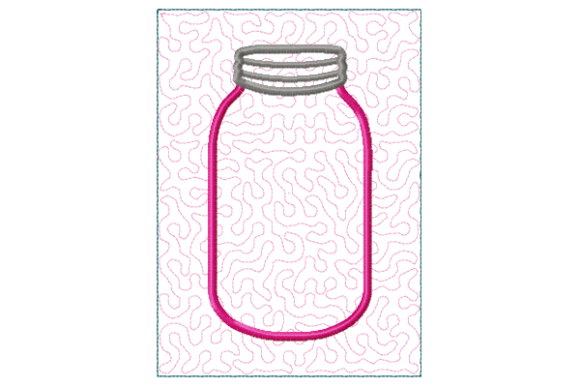
Mason Jar Quilt Block Stippling Review
As a professional embroidery designer who has spent years refining the art of digitizing for commercial use, I approach every new machine embroidery design with a critical eye. When evaluating assets for small business merchandise, branded patches, and custom apparel, the goal is always to balance aesthetic charm with production reliability. Today, I am reviewing the Mason Jar Quilt Block Stippling design to determine its viability for serious brand applications, from boutique labels to staff uniforms.
First Impressions: A Rustic Yet Premium Vibe
The title Mason Jar Quilt Block Stippling immediately evokes a specific atmosphere: rustic, handmade, and inviting. The mention of "stippling" suggests a texture that mimics hand-painted details or fabric stitching, which adds a layer of sophistication often missing in standard clipart-style designs. For a small business owner looking to convey authenticity, this design feels friendly yet professional. It strikes a balance between playful and elegant, making it an excellent candidate for brands in the bakery, florist, pet product, or artisanal home goods sectors.
Unlike rigid corporate logos, this design embraces the imperfections of the handmade world. It suggests quality craftsmanship without being overly ornate. If your brand identity relies on trust, warmth, and a personal touch, the visual personality of Mason Jar Quilt Block Stippling aligns perfectly. It signals to the customer that you care about the details, whether they are buying a jar of jam, a custom tote bag, or a specialized service.
Real-World Application for Small Business Merch
In my experience, the true test of any embroidery file is how it performs when applied to physical products. Let us imagine a scenario where a local café or a handmade shop wants to launch a line of branded merchandise. How does this design fit into that strategy?
- Embroidered Patches: This design has strong potential as a sew-on patch. The block structure allows for clean edges, while the stippling adds depth. It works beautifully on denim jackets, canvas backpacks, or leather aprons, serving as a standout accent piece that customers will want to display proudly.
- Staff Uniforms and Aprons: For a team environment, consistency is key. Placing Mason Jar Quilt Block Stippling on the chest of a work shirt or centered on the bib of an apron creates a cohesive look. It elevates a simple uniform into a branded asset, reinforcing the company's identity every time a staff member interacts with a client.
- Tote Bags and Caps: A tote bag design benefits greatly from the textured feel of stippling. On a cap, however, caution is required. The curved surface of a hat can distort complex textures if the design is too large. Used as a small chest logo or a sleeve detail, this design maintains its integrity while adding a unique flair to standard headwear.
- Product Packaging Accents: Beyond clothing, consider using this design on product tags or hang-tags attached to your merchandise. A small embroidered label featuring this motif adds a premium unboxing experience, increasing perceived value and encouraging social media shares.
Strategic Considerations and Limitations
While the aesthetic appeal is high, a seasoned designer knows that not every design suits every application. There are specific scenarios where Mason Jar Quilt Block Stippling requires careful handling to avoid compromising the finished product.
Size and Detail Constraints: Stippling relies on density and spacing to create texture. If you attempt to scale this down to a tiny patch size or a very small cap front, the individual stitches may merge, causing the texture to disappear or creating a muddy appearance. Always verify the minimum safe stitch count before committing to mass production.
Fabric and Surface Challenges: Embroidering on highly textured fabrics or dark uniforms presents challenges. Dark fabrics require underlay and careful thread color selection to ensure the white or light stippling pops. If the fabric is too loose or stretchy, the hoop marks may remain visible after washing. Furthermore, items that undergo frequent industrial washing, such as heavy-duty work shirts, need a robust design with tight stitch density to prevent puckering or unraveling over time.
Curved Surfaces: As mentioned, applying this to caps requires precision. The curvature can stretch the design unevenly. It is often safer to use this as a flat appliqué patch rather than direct embroidery on the crown of a hat unless you have extensive experience with curved hooping techniques.
Impact on Brand Identity and Customer Trust
Every element of your branding contributes to the narrative you tell your customers. High-quality commercial embroidery signals professionalism and attention to detail. When a customer sees a crisp, well-executed Mason Jar Quilt Block Stippling on a tote bag or a product label, it subconsciously reinforces the idea that your business operates with similar care and precision.
This design helps bridge the gap between digital marketing and physical reality. In an era where many businesses rely solely on screen images, having a tangible, textured representation of your brand builds deeper emotional connections. It transforms a generic product into a handmade product with a story. Consistency in using high-quality design assets like this ensures that your brand remains recognizable across different mediums, from your website to your physical inventory.
Practical Designer Notes for Production
Before you finalize your order or begin production, there are several technical steps every designer and business owner must take to ensure success. These notes are derived from years of troubleshooting common issues in digital embroidery files.
- Test in Black and White First: Before selecting thread colors, run a test in black thread on white stabilizer. This allows you to see the stitch flow and density without the distraction of color. Ensure the stippling holds its shape and doesn't look like a solid blob.
- Check Stitch Density: Review the file settings to confirm the stitch density. Too much density on a small area can cause the fabric to pucker; too little can make the design look sparse. Adjustments may be necessary depending on your target fabric.
- Verify Hoop Size and Compatibility: Confirm the recommended hoop size for the design. If you plan to embroider on small items like hats or cuffs, ensure the design fits within the available space without cutting off essential details.
- Stabilizer Selection: Use the proper stabilizer for your project. Heavier designs may require cut-away stabilizers for durability, especially on garments that will be washed frequently. Lighter projects might get away with tear-away, but testing is crucial.
- Create a Printable Mockup: Before sending files to the machine, create a printable mockup for client approval. This helps visualize the final result on different products and ensures the design meets the brand's expectations.
- Thread Color Contrast: Inspect the spacing and contrast of your chosen thread colors. Ensure that the text or outlines (if any) remain legible against the background fabric.
- Commercial Licensing: Most importantly, confirm your commercial licensing status. Ensure you have the legal right to use this design asset for resale items, staff uniforms, and promotional giveaways. Do not assume a purchase includes unlimited commercial rights.
By following these guidelines, you can leverage the charm of Mason Jar Quilt Block Stippling to create high-quality, memorable merchandise. Whether you are an Etsy seller, a merch creator, or a product designer, taking the time to evaluate the technical aspects of your embroidery design will pay dividends in the form of satisfied customers and a stronger brand reputation.