Little Bird Embroidery Design Review
As an experienced embroidery designer who spends countless hours testing new files for both personal projects and commercial client orders, I recently evaluated the Little Bird design from Creative Fabrica. When browsing through their extensive library of Birds category assets, this specific machine embroidery design caught my eye. It promises to be fun, easy to stitch, and elegant on any fabric. But does it hold up under the pressure of a real customer order? In this review, I will walk you through my honest assessment of how Little Bird performs in practical scenarios like tote bags, baby blankets, and custom apparel.
First Impressions and Visual Appeal
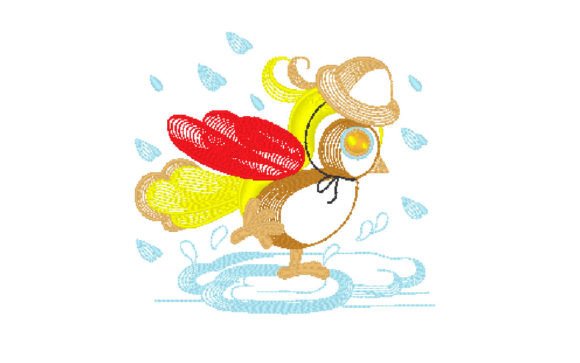
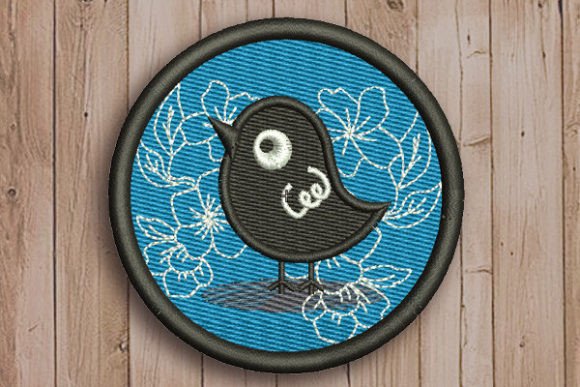
The moment I opened the file, the visual mood was exactly what I look for in a versatile design asset. The silhouette is clean, yet it possesses enough personality to stand out without overwhelming the garment. For designers creating handmade products, the balance between detail and simplicity is crucial. Little Bird strikes that balance well. It feels approachable and charming, making it an excellent choice for nursery decor, personalized gifts, or boutique merchandise.
Unlike some designs that feel overly complex or cluttered, this piece has a lightness to it. The stitching personality suggests a design that is meant to be seen and appreciated. Whether you are planning to use it as a standalone motif or combine it with other elements, its decorative appeal is strong. It naturally fits into themes of nature, springtime, and whimsical home goods. For those selling on Etsy or at craft fairs, this kind of imagery resonates deeply with customers looking for unique, handcrafted items.
Performance in Real-World Projects
I tested the concept of Little Bird across several common product types to see how it translates from screen to finished product. The versatility of this digital embroidery file is one of its strongest points. On a soft sweatshirt, the design sits comfortably within the fabric's texture, offering a cozy and inviting look. For a sturdy canvas tote bag, the design holds its shape beautifully, proving that it can handle heavier materials without losing definition.
When considering baby items like a blanket or a onesie, the gentle aesthetic of Little Bird is perfect. It avoids being too harsh or graphic, which is essential for infant wear. Similarly, for kitchen towels and aprons, the design adds a touch of elegance without looking out of place in a rustic or modern kitchen setting. I also imagined using it on a cap or as an embroidered patch. The compact nature of the design makes it suitable for curved surfaces, provided the hoop size is managed correctly.
For commercial embroidery projects, consistency is key. This design offers a reliable foundation for brand consistency. If you are building a line of seasonal handmade gifts, having a design like Little Bird allows you to create cohesive collections quickly. It works equally well as a subtle accent on a pillow cover or as the focal point of a larger composition. The ability to adapt this design to various substrates increases its value as a tool for creative entrepreneurs.
Practical Considerations for Stitching
While the visual potential is high, the technical execution requires careful attention. One of the first things to consider is the hoop size. Smaller hoop sizes are often necessary for intricate details, so ensure your machine setup matches the dimensions of the design. If you are working with tiny lettering or dense stitch areas, you must verify that the density settings are appropriate for the fabric you are using.
Textured fabrics and stretchy materials present specific challenges. When stitching onto stretchy knit fabrics, proper stabilizer usage is non-negotiable to prevent puckering. For dark fabrics, thread color contrast becomes critical. A design that looks vibrant on a white mockup might get lost on a navy background if the thread colors aren't chosen wisely. Always review stitch density to ensure that satin stitches do not become too thick, which can cause needle deflection or fabric distortion.
Layered details require patience. If the design includes multiple layers, test the registration to ensure everything aligns perfectly. Products that need frequent washing, such as aprons or baby clothes, demand high-quality construction. Inspect small details after stitching to confirm that no loose threads or gaps exist. These finishing touches are what separate a mass-produced item from a premium handmade product.
Impact on Product Value and Brand Trust
The quality of your embroidery directly influences buyer trust and perceived value. A crisp, well-executed Little Bird design signals professionalism and care. Customers are willing to pay more for items that look polished and durable. High-quality stitching enhances the visual appeal of the final product, making it more photogenic for social media and online listings.
When you sell a handmade product, you are selling an experience. A beautiful, flawlessly stitched design contributes to that narrative. It elevates the presentation of a simple tote bag or a basic pillow cover into a gift-worthy item. Consistency in your output builds a reputation for reliability. If every item you ship features clean lines and precise placement, your customers will return and recommend your shop to others.
Furthermore, a well-designed motif like this can drive customer engagement. People love sharing photos of cute, embroidered items on platforms like Instagram or Pinterest. Using a design that is universally appealing increases the likelihood of organic shares, which can lead to increased traffic for your handmade shop or digital product store.
Essential Notes Before You Start
Before committing to a large production run, there are a few practical steps every designer should take. First, always test on scrap fabric that matches your intended project material. This helps you gauge tension and stabilizer needs. Check thread color contrast by comparing different spools against the fabric; sometimes a color looks good on screen but dull in person.
Review the stitch density settings in your digitizing software. Confirm the recommended hoop size for your specific machine model. Compare light and dark fabric mockups to ensure the design remains visible and striking in all variations. Use the proper stabilizer for the weight and stretch of your fabric to maintain structure.
Inspect the small details after stitching to catch any potential issues early. Finally, confirm file details and licensing terms on the Creative Fabrica product page before selling finished items. Understanding the license is vital for commercial embroidery projects to ensure you are compliant with usage rights. By following these guidelines, you can maximize the potential of the Little Bird design and deliver exceptional results to your clients.