Quilt Block Christmas: A Designer's Honest Review
As a professional embroidery designer who frequently navigates the landscape of digital assets for commercial projects, I recently took a closer look at Quilt Block Christmas from Creative Fabrica. When you are preparing for a real customer order—whether it is a batch of tote bags for a holiday craft fair or a custom sweatshirt for a boutique client—the last thing you want is to discover that a design file does not translate well to the fabric. This review is an honest evaluation of whether this specific machine embroidery design is worth your time and investment for real-world applications.
First Impressions and Visual Mood
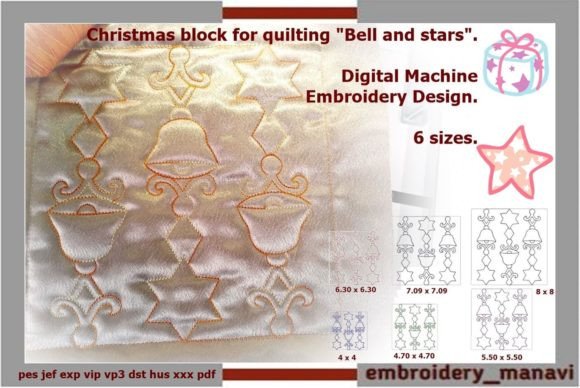
The moment I opened the preview files for Quilt Block Christmas, the aesthetic was immediately clear. It captures the nostalgic charm of traditional quilting without feeling dated. The visual mood is warm, inviting, and perfectly suited for the winter season. Unlike many modern designs that rely heavily on complex shading, this piece leans into the clean lines and geometric appeal of a classic quilt block. For an embroiderer looking to create home decor items like pillow covers or kitchen towels, this design offers a decorative appeal that feels both handmade and professionally finished.
From a design personality standpoint, it strikes a balance between detailed enough to be interesting and simple enough to stitch reliably. It naturally fits into projects where you want a focal point that doesn't overwhelm the garment or accessory. Whether you are working on a baby blanket for a nursery or a mug rug for a coffee station, the design brings a cohesive seasonal vibe that customers often seek during the holidays.
Performance in Real Embroidery Work
When considering how Quilt Block Christmas might perform on actual products, we must look beyond the screen. I evaluated its potential for custom apparel, including tote bags, sweatshirts, and aprons. The structure of a quilt block is generally robust, which means it tends to hold up well on various surfaces. However, the success of the final product depends heavily on the substrate.
For small business owners selling embroidered patches or caps, this design could be a strong contender. The block format allows for easy scaling, making it suitable for smaller hoop sizes often used on hats or patches. Yet, if you plan to use this for larger items like a full-size quilt or a large pillow cover, you will need to consider the layout carefully. Since the description notes that this is only a single block design with no recommendation on how to join them, you will have to plan your own grid or border strategy if you intend to create a larger textile piece.
In terms of commercial embroidery, the versatility is high. You can easily incorporate this into a collection of handmade gifts. Imagine a set of matching kitchen towels and a coordinating apron; the consistency of the design helps build brand identity. For Etsy sellers, having a design that photographs well is crucial. The clean geometry of a quilt block translates beautifully in product photography, allowing buyers to visualize the finished item clearly on their own shelves or walls.
Practical Considerations and Technical Challenges
No design is perfect for every situation, and understanding the limitations is key to maintaining buyer trust. If you are working with textured fabrics, such as heavy denim for a tote bag or fleece for a sweatshirt, the density of the stitches in Quilt Block Christmas needs to be managed. Dense stitch areas can sometimes cause puckering if the stabilizer choice is incorrect.
One critical factor to watch is the hoop size. Before running a production batch, always confirm the recommended hoop size in the product details. If the design is too large for your standard 4x4 hoop, you may face challenges with registration when moving the fabric. Additionally, if you are stitching on dark fabric, thread color contrast becomes paramount. Lighter threads might get lost against a dark background unless you utilize a high-density underlay or choose a specific thread palette that pops.
For stretchy fabrics, such as those found on athletic wear or soft baby garments, the stability of the design is vital. A quilt block pattern relies on straight lines and precise angles; if the fabric stretches during the stitching process, the geometry can distort. Using the proper stabilizer, such as cut-away for permanent stability or tear-away for temporary support depending on the fabric weight, is non-negotiable here. Always test on scrap fabric first to ensure the stitch density holds up after washing.
Navigating Small Details and File Integrity
Inspecting small details after stitching is essential, especially if the design includes tiny lettering or intricate geometric intersections. While the description emphasizes the design's suitability for home decor, it does not specify stitch counts or file formats. Therefore, it is imperative to review the product page on Creative Fabrica before purchasing to confirm compatibility with your specific embroidery machine. If you are planning to sell finished items, verifying the license terms is equally important to ensure you have the right to use the design commercially.
When comparing light and dark fabric mockups, pay attention to how the fill stitches interact with the background. In some cases, a satin stitch outline might be necessary to define the edges on darker materials. If the file includes applique elements, the preparation time increases significantly, so weigh the labor cost against the potential profit margin for your handmade product.
Impact on Product Value and Brand Consistency
Using a well-executed design like Quilt Block Christmas directly influences the perceived value of your finished product. Customers paying for handmade goods expect precision and durability. A design that stitches cleanly, with consistent thread colors and no loose ends, fosters customer engagement and encourages repeat business. Conversely, a design that looks sloppy due to poor tension or incorrect stabilizer use can damage your reputation as a creative entrepreneur.
This design asset works particularly well for personalized gifts. Because it is a standalone block, it can be easily placed on the corner of a towel, the center of a pillow, or the chest of a shirt without requiring complex digitizing adjustments. This flexibility allows you to offer a range of products—from printable mockups for pre-orders to physical embroidered patches—using the same core design element.
Final Thoughts for the Embroidery Professional
If you are a crafter, digital product seller, or small business owner looking to expand your holiday inventory, Quilt Block Christmas offers a solid foundation for creating seasonal merchandise. Its classic aesthetic ensures longevity, meaning it will likely remain relevant year after year. However, the responsibility lies with the user to adapt the design to their specific workflow.
To ensure success, take the time to check the file details, confirm the licensing agreements for commercial use, and conduct thorough testing on your intended materials. By doing so, you can transform a simple digital embroidery file into a high-quality finished product that stands out in a crowded marketplace. Whether you are building a shop on Etsy or fulfilling a custom order for a local boutique, careful planning and quality control will turn this design into a valuable addition to your portfolio.