Santa Retro: A Designer's Review for Craft Fairs
As an embroidery designer who has spent years turning digital files into tangible products for weekend markets, I know that the difference between a design that sits on a shelf and one that flies off the table often comes down to style and execution. Today, I am reviewing Santa Retro, a new addition to the Christmas category that promises a colorful and retro-styled Santa embellishment. My goal is to evaluate this piece not just as a digital file, but as a potential best-seller for your handmade shop or craft fair booth.
The First Impression of Santa Retro
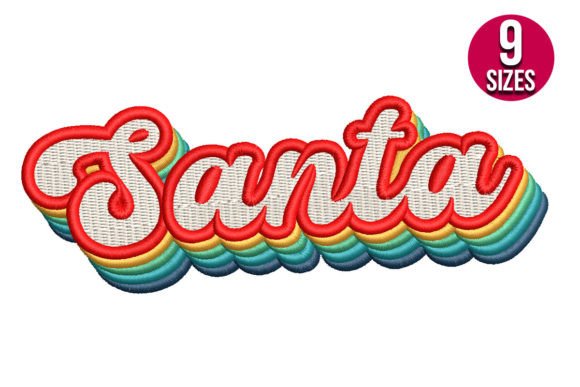
When you first look at the description stating there is no better way to decorate Christmas items with a colorful and retro-styled Santa, you immediately get a sense of the vibe. This is not a traditional, solemn, or overly rustic design. The word "retro" suggests bold lines, perhaps a mid-century modern color palette, and a playful energy that stands out against the sea of generic holiday patterns. For a craft fair product, this distinction is vital. Customers are drawn to designs that feel unique and curated rather than mass-produced. Santa Retro feels festive yet modern, making it perfect for boutique makers who want to appeal to younger demographics or those looking for a fresh take on holiday decor.
The aesthetic leans towards being decorative and premium without being stuffy. It strikes a balance that works well for both Etsy sellers creating digital listings and physical vendors setting up tables. The promise of "outstanding festive designs" implies high visual impact, which is exactly what you need when trying to capture attention in a crowded marketplace.
Product Potential: Where Santa Retro Shines
Imagine setting up your display table with a variety of handmade product options. How does Santa Retro perform across different categories? Its versatility is its greatest asset. On a canvas tote bag design, the retro colors would pop beautifully, creating a statement piece that customers can use for their own shopping trips. The design works exceptionally well as a focal point on apron embroidery, transforming a standard kitchen tool into a gift-worthy item.
For smaller items, consider using this embroidery file on tea towel embroidery projects. The contrast of a bright, stylized Santa against a white or cream linen background creates an instant focal point. If you are selling embroidered patch styles, Santa Retro offers a distinct shape that looks great sewn onto denim jackets or felt hats. Small pouches and fabric pouches also benefit from this design, allowing you to create a set of giftable handmade items that feel cohesive yet varied.
Don't overlook pillow covers and market bags. A large-scale application on a throw pillow can anchor a holiday living room display, while on a market bag, it serves as a practical accessory. For commercial embroidery businesses, the repeatable nature of this design allows for batch production, ensuring you can meet demand during the busy season without losing quality.
Visual Appeal and Marketability
One of the most critical factors for a small shop product is how it photographs. Santa Retro appears to have strong visual elements that translate well to digital formats. When creating a printable mockup for your online store, the retro styling ensures the image catches the eye even in a small thumbnail view. The boldness of the design means it will hold up well on social media platforms like Instagram or Pinterest, where visual clarity is key.
In a physical booth setting, the design adds significant value to the finished product. It elevates the perceived quality of the item, suggesting that the maker put thought into the aesthetic. This boosts brand consistency; if you use Santa Retro across your entire holiday collection, you create a recognizable theme that buyers can easily associate with your brand. Customer engagement increases when the design sparks conversation—something a quirky, retro Santa definitely does compared to a standard, traditional figure.
Production Realities and Practical Selling
While the concept is exciting, we must address the practicalities of production. As a professional, I always advise checking the stitch density before committing to a full run. Dense stitch areas can sometimes cause puckering, especially on thinner fabrics like tea towels or lightweight tote bags. You need to ensure the design is balanced so that it remains crisp and legible.
Consider the scale of the design. Is it suitable as a small accent, or does it require a larger surface area to truly shine? If Santa Retro contains tiny details or small lettering, be cautious about scaling it down too much. Tiny details can get lost in the stitching process, resulting in a muddy appearance that detracts from the retro charm. Similarly, if you plan to embroider this on curved surfaces like caps, ensure the digitization accounts for the curvature, or the proportions might look distorted.
Fabric texture plays a major role here. While textured towels add character, they can sometimes hide fine details. Dark fabrics present another challenge; unless you use a high-contrast thread palette, the retro colors might lose their vibrancy. Always test the design on scrap fabric to see how the thread colors interact with your specific material choices. This step is crucial for maintaining the integrity of the design assets.
Essential Designer Notes for Success
To maximize the success of Santa Retro in your inventory, follow these practical steps. First, confirm the hoop size requirements. Some designs are optimized for smaller hoops, while others need a larger frame to accommodate the full artwork. Using the wrong hoop can lead to misalignment or incomplete stitches.
Stabilizer selection is equally important. For items like tote bags or aprons, a cut-away stabilizer might be necessary to support the weight of the stitches and prevent distortion over time. Conversely, for delicate fabrics, a tear-away might suffice, but testing is mandatory. Create at least one real mockup before listing the item for sale. This allows you to inspect the stitch density, check for any thread breaks, and verify the overall finish.
Finally, do not forget the legal aspects. Before selling finished products, confirm the commercial licensing terms of the digital embroidery file. Ensure you have the right to sell items made with Santa Retro. If the license terms are unclear, reach out to the creator. Additionally, compare fabric colors carefully; a red Santa on a red shirt won't work, but a vibrant orange or blue Santa on a navy bag could be a hit.
By treating Santa Retro with the same care you would give any other high-value design, you can turn it into a standout item for your embroidery business. Whether you are an experienced vendor or a creative entrepreneur just starting out, paying attention to these details ensures your finished product looks as good in person as it does in the photos. With the right preparation, this retro Santa is poised to become a favorite among holiday shoppers looking for something special.