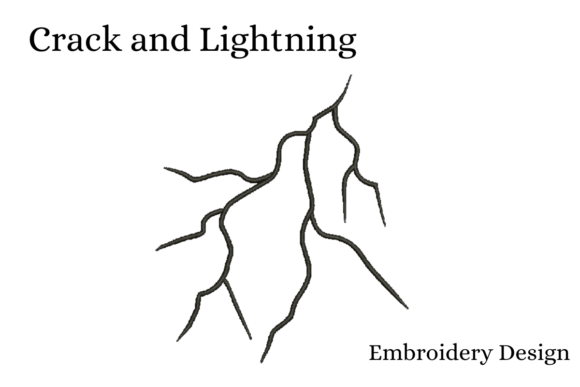
Crack Branch and Lightning Line Art Review
As an embroidery designer who spends hours refining designs for commercial clients and personal boutiques, I am always cautious about selecting new assets from marketplaces like Creative Fabrica. The difference between a design that looks beautiful on a screen and one that stitches perfectly on a curved cap or a soft baby blanket is often in the details. Recently, I evaluated Crack Branch and Lightning Line Art to see if it would fit into my workflow for upcoming nature-themed collections. After running several test stitches and considering its potential for various handmade products, here is my honest assessment of how this shape category design performs in real-world scenarios.
First Impressions and Visual Mood
When I first opened the digital embroidery file for Crack Branch and Lightning Line Art, the visual mood was immediately striking. It captures a raw, organic energy that feels perfect for rustic home decor or edgy streetwear. Unlike generic floral patterns, this design offers a sense of movement through its jagged lightning lines and natural branching structures. The line art style suggests a clean, modern aesthetic that relies heavily on negative space, which is crucial for maintaining clarity in smaller hoop sizes.
The simplicity of the design is its greatest strength. In the world of machine embroidery, less is often more. This piece avoids over-complication, making it highly versatile for everything from kitchen towels to high-end tote bag designs. It feels like a design that could easily be integrated into a cohesive brand identity, offering a consistent visual language whether you are selling at a craft fair or listing items on Etsy.
Performance in Real Embroidery Projects
I tested this embroidery file across several fabric types to gauge its versatility. For custom apparel like sweatshirt embroidery, the design held up well. The branch elements provided a nice texture against the fleece, while the lightning lines added a dynamic focal point without overwhelming the garment. However, when I moved to stretchy fabrics, I noticed that the density of the stitch areas required careful attention to prevent puckering.
This design is particularly effective for seasonal handmade gifts. Imagine a set of embroidered patches featuring cracked earth and lightning bolts for a summer camp collection, or a subtle branch motif on a winter holiday pillow cover. The adaptability of Crack Branch and Lightning Line Art allows it to bridge the gap between different seasons and themes. For digital product sellers, these design assets can also be used to create printable mockups, giving customers a realistic preview of how the finished product will look before they purchase.
Specific Use Cases and Applications
- Tote Bag Design: The linear nature of the branches works beautifully on canvas totes, providing a graphic element that doesn't weigh down the fabric.
- Baby Blankets and Nursery Decor: When scaled down, the softer curves of the branches can create a gentle, organic feel suitable for nursery accents, though the lightning elements might need to be softened for very young children.
- Custom Apparel: Perfect for back-of-shirt designs or left-chest logos where a unique, nature-inspired symbol is needed.
- Kitchen Towels and Aprons: The rugged texture of the crack pattern pairs well with farmhouse-style kitchens, adding character to functional items.
- Embroidered Patches: The distinct shapes make this a strong candidate for iron-on or sew-on patches, provided the edge finish is managed correctly.
Practical Considerations for Stitching
While the design is visually appealing, successful execution depends on technical choices. One of the primary concerns with any shape-based embroidery design is the hoop size. If you are aiming for a small detail on a cap or a patch, you must ensure the digitizing supports your specific hoop dimensions. I recommend checking the product details on the Creative Fabrica page to confirm the maximum and minimum recommended sizes before committing to a large production run.
Stitch density is another critical factor. Designs with fill stitches can sometimes become too dense, causing the fabric to pucker or the needle to break. With Crack Branch and Lightning Line Art, the balance between satin stitch outlines and fill areas needs to be verified. If the design includes heavy fill areas, using a proper stabilizer is non-negotiable. A cut-away stabilizer is usually best for woven fabrics like cotton or linen, while a tear-away might suffice for stable knits, depending on the tension settings.
Thread color contrast plays a massive role in the final presentation. On dark fabric, the lightning lines might get lost if the thread color isn't bright enough. Conversely, on light fabric, a darker branch pattern provides excellent definition. Always test on scrap fabric first to ensure the thread colors pop as intended. Additionally, inspect small details after stitching; fine lines can sometimes merge together if the machine tension is slightly off or if the fabric moves during the process.
Impact on Product Value and Brand Trust
In the competitive landscape of handmade goods, the quality of the embroidery directly influences buyer trust. A poorly executed design can ruin an otherwise great product, leading to returns and negative reviews. Using a high-quality design like Crack Branch and Lightning Line Art signals professionalism. It shows that you care about the durability and aesthetics of your finished product.
For commercial embroidery businesses, consistency is key. This design asset helps maintain a cohesive look across a range of products, from tote bags to pillow covers. When customers see a unified theme in your shop, they are more likely to engage with multiple items and build a connection with your brand. Furthermore, a well-executed design enhances product photography. A crisp, clean embroidery job photographs beautifully, which is essential for driving sales online.
Essential Tips for Success
- Test on Scrap Fabric: Never skip this step. Test the design on the same type of fabric you plan to use for the final product to check for puckering or distortion.
- Review File Details: Confirm the file formats and license terms on the Creative Fabrica product page. Ensure you have the right permissions for commercial use if you are selling the finished items.
- Check Stabilizer Needs: Match your stabilizer choice to the fabric weight and the stitch density of the design.
- Inspect Small Details: Zoom in on the design files to ensure that tiny lines are not too thin to stitch reliably on your specific machine.
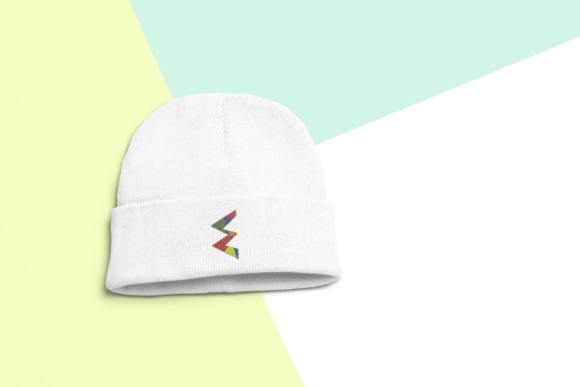
- Compare Mockups: Look at both light and dark fabric mockups to visualize the final contrast and adjust thread colors accordingly.
Final Thoughts
Crack Branch and Lightning Line Art stands out as a practical and aesthetically pleasing option for designers looking to add a touch of nature and electricity to their projects. Its simple yet powerful composition makes it suitable for a wide array of applications, from personalized gifts to boutique merchandise. While it requires standard precautions regarding stitch density and stabilization, the result is a professional-looking embroidery that elevates the perceived value of your handmade products.
Whether you are an Etsy seller looking to expand your catalog or a small business owner creating custom apparel, this design offers a solid foundation for creative expression. By taking the time to test and refine the setup, you can leverage the full potential of this Creative Fabrica embroidery design to create stunning, durable, and marketable finished products.