Diagonous E Review for Small Business Merch
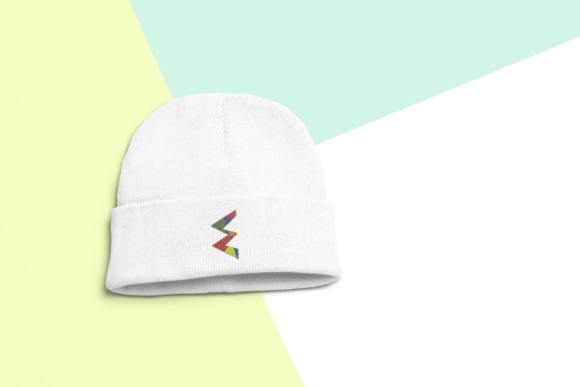
As a professional embroidery designer who has spent years refining designs for commercial use, I approach every new asset with a critical eye. When evaluating Diagonous E, my focus is not just on how the letter looks, but on its viability as a functional component of a brand's visual identity. This design features the letter E constructed from diagonal shapes in primary and secondary colors, creating a dynamic geometric aesthetic that stands out against standard block lettering.
The first impression of Diagonous E is undeniably bold and modern. The use of diagonal geometry suggests movement and energy, making it an excellent candidate for brands that want to project a sense of innovation or playfulness without sacrificing professionalism. Unlike traditional serif or sans-serif fonts that can feel static, the angled lines of this design imply forward momentum. For small business owners looking to differentiate their merchandise, this design offers a distinct personality that feels both handmade and contemporary.
Real-World Application in Brand Merchandise
In the context of small business merch, versatility is key. I have analyzed how Diagonous E performs across various product categories, from embroidered patches to custom apparel. The design's color palette, utilizing primary and secondary hues, allows it to serve as a vibrant accent piece that draws the eye immediately.
- Embroidered Patches: The geometric nature of the letter makes it highly suitable for patch production. The diagonal shapes create clear boundaries between colors, which helps maintain definition even when stitched at smaller sizes. A boutique bakery could use this as a chest logo, while a creative studio might place it on the sleeve of a work shirt.
- Apparel Decorators: For apron embroidery, the bright colors pop beautifully against denim or canvas backgrounds. The diagonal orientation breaks up the monotony often found on kitchen uniforms, adding a touch of artistic flair to staff attire.
- Caps and Hats: Cap embroidery requires designs that adapt well to curved surfaces. The angular lines of Diagonous E can add a unique twist to cap fronts, provided the curvature of the hat is accounted for during digitizing. It works particularly well for streetwear brands or craft businesses wanting a modern look.
- Tote Bag Design: As a tote bag mark, this design serves as a statement piece. The contrast between the diagonal shapes and the flat fabric of a canvas bag creates a textured visual effect that enhances the perceived value of the product.
When used as a branded product add-on, such as a label on a handmade item or a tag on product packaging, Diagonous E reinforces brand recognition. Customers associate high-quality embroidery with durability and care. By incorporating a unique design element like this into their product line, businesses signal attention to detail, which fosters customer trust and engagement.
Strategic Considerations for Commercial Use
While the design is striking, there are specific scenarios where Diagonous E requires careful evaluation before mass production. Not all applications are created equal, and understanding the limitations of machine embroidery is crucial for maintaining brand integrity.
Small Patch Sizes: If you plan to produce very small patches, the diagonal details must be scrutinized. High stitch density can sometimes cause fabric puckering, especially if the design is scaled down too much. It is essential to test the design at the intended final size to ensure the individual diagonal segments remain distinct and do not merge together.
Curved Surfaces and Tiny Lettering: On items like caps or narrow sleeves, the diagonal angles might distort if the underlying fabric stretches unevenly. Additionally, if the letter E is reduced to a tiny size, the complexity of the diagonal shapes may be lost. In these cases, simplifying the design or increasing the spacing between elements is often necessary.
Fabric Texture and Color Contrast: The effectiveness of the primary and secondary colors depends heavily on the background fabric. On dark uniforms, the lighter thread colors will stand out, but on light fabrics, the contrast might be softer. Textured fabrics like fleece or heavy wool can obscure fine details, so testing on the actual material is non-negotiable.
Wash Durability: For items that undergo frequent washing, such as work shirts or aprons, the stability of the stitching is paramount. Designs with high stitch counts or tight diagonals can sometimes pull or fray over time if not stabilized correctly. Ensuring proper stabilizer usage is vital for long-lasting results.
Impact on Brand Identity and Professionalism
A well-executed embroidery design does more than just decorate; it elevates the perceived value of the finished product. Diagonous E contributes to a cohesive brand identity by offering a consistent visual anchor. When customers see this specific geometric pattern repeated across a range of products—from tote bags to product labels—they begin to associate those shapes with your brand's values.
This consistency builds professionalism. A random assortment of fonts and styles can make a business appear disorganized, whereas a unified design language communicates reliability. The playful yet structured nature of Diagonous E strikes a balance that appeals to a wide demographic, making it suitable for everything from pet brands to local florists.
Furthermore, the design supports the "handmade" narrative that many small businesses rely on. The visible texture of the stitches adds a tactile quality that digital prints cannot replicate, enhancing the emotional connection between the buyer and the product. This tangible difference can justify a higher price point and increase buyer satisfaction.
Practical Designer Notes for Production
Before integrating Diagonous E into your commercial workflow, follow these practical steps to ensure success. These guidelines are derived from years of experience in the embroidery industry and are designed to prevent costly errors.
- Test in Black and White First: Convert the design to monochrome to check the structural integrity of the diagonal shapes. This helps identify potential issues with spacing and density that color might hide.
- Review Thread Color Contrast: Ensure the primary and secondary colors provide sufficient contrast against your target fabric. Poor contrast can make the design look muddy rather than vibrant.
- Inspect Spacing and Hoop Size: Verify that the design fits within your available hoop size and that the spacing between elements is adequate for the chosen stitch type.
- Test on Real Fabric: Always run a sample on the actual fabric you intend to use. Different materials react differently to tension and stabilizers.
- Use Proper Stabilizer: Select a stabilizer that matches the weight and stretch of your fabric. This is critical for preventing distortion, especially with diagonal patterns.
- Create a Printable Mockup: Before committing to production, generate a printable mockup for client approval. This allows stakeholders to visualize the final product on the actual garment or item.
- Compare with Other Assets: Place Diagonous E alongside other design assets to ensure visual harmony. Does it complement existing logos? Does it fit the overall style guide?
- Confirm Commercial Licensing: Check the licensing terms of the digital embroidery file. Ensure you have the right to use the design for commercial merchandise, including resale and promotional items.
Finally, remember that while the product description mentions multiple file formats compatible with various machines, exact specifications regarding stitch count, hoop dimensions, and specific format types (such as .dst, .pes, or .exp) should be verified directly with the source. These technical details are crucial for seamless integration into your production pipeline.
In conclusion, Diagonous E is a versatile and impactful choice for small business owners seeking to elevate their embroidered merchandise. Its bold geometric style and vibrant color potential make it a strong contender for patches, apparel, and branding assets. By following rigorous testing protocols and considering the specific needs of your products, you can leverage this design to create memorable, high-quality items that resonate with your audience.