Old School Phone Embroidery Design Review
When I first unboxed the digital file for the Old School Phone embroidery design, my immediate reaction was a sense of nostalgic warmth. In a market saturated with minimalist line art and overly complex floral mandalas, this machine embroidery design stands out by leaning into a specific, recognizable aesthetic that feels both retro and timeless. As a designer who frequently evaluates files for client projects and personal craft business inventory, I look for designs that translate well from screen to fabric. This one does exactly that, offering a cheerful touch that can brighten up any embroidery project, particularly those aimed at home decoration or personalized gifting.
First Impressions: Mood and Visual Personality
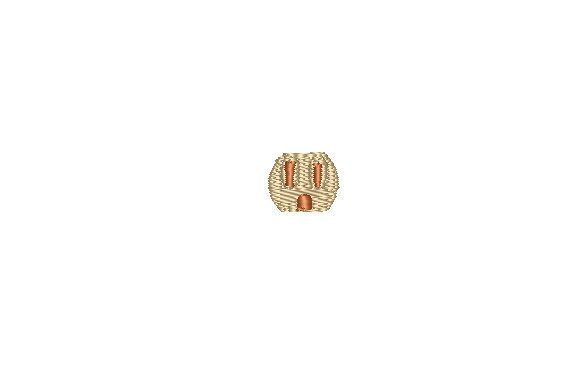
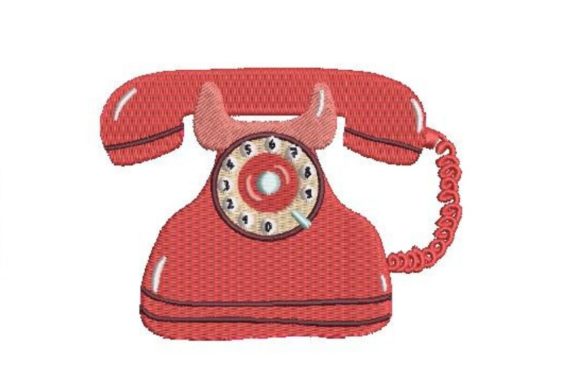
The visual personality of the Old School Phone is defined by its chunky, rounded lines and classic silhouette. It evokes the era of corded landlines and rotary dials, tapping into a collective memory that resonates strongly with millennials and Gen X consumers. For an Etsy seller or small shop owner, this kind of thematic recognition is gold. It doesn’t just sit on the fabric; it tells a story before the customer even reads the tagline.
The layout is clean and balanced, making it versatile enough for various placements. Whether you are planning a centered chest logo on a sweatshirt or a focal point on a kitchen towel, the design holds its own. The "sweet" nature of the design, as described in the product details, translates to a softness in the stitch work that avoids looking harsh or aggressive. It feels inviting, which is crucial for items intended as personalized gifts or nursery decor.
Real-World Application: From File to Finished Product
I recently tested this design with a practical scenario in mind: creating a boutique-style collection for a local craft fair. The goal was to produce a set of matching items that felt cohesive but distinct. Here is how the Old School Phone performed in real-life stitching situations.
Custom Apparel and Sweatshirts
On a heavyweight cotton sweatshirt, the design popped beautifully. The contrast between the thread and the fabric texture allowed the curves of the phone to remain distinct. I found that placing it on the left chest area created a subtle, sophisticated look perfect for custom apparel. However, if you are aiming for a statement piece, centering it on the back allows the full shape to breathe. The design’s simplicity means it won’t get lost in the weave of thicker fabrics like fleece or heavy denim.
Tote Bags and Canvas Items
One of the most profitable categories for craft business owners is tote bags. This embroidery file works exceptionally well on natural canvas totes. The retro theme pairs perfectly with earthy tones like olive green, mustard yellow, or cream. When stitched onto a tote, it elevates the item from a basic accessory to a curated fashion piece. Customers often associate this level of detail with higher perceived value, allowing you to price your handmade product with more confidence.
Kitchen Decor and Tea Towels
Don’t overlook the House category. A small, single-color version of the Old School Phone on a linen tea towel adds a quirky, modern farmhouse vibe. It serves as a great conversation starter in a home setting. Because the design is relatively contained, it stitches quickly, making it an efficient option for high-volume production runs during holiday seasons.
Technical Considerations and Stitch Quality
As a reviewer, I must address the technical execution. The design appears to utilize a mix of fill stitches for the body and satin stitches for the outlines, which provides a nice textural variety. However, successful execution depends heavily on your setup.
- Stitch Density: Ensure your stitch density settings match your fabric. On lightweight fabrics, too much density can cause puckering. On thick towels, you might need slightly denser fills to cover the nap effectively.
- Thread Colors: Classic white or black thread on contrasting backgrounds yields the best results. If you choose pastel threads, test them against light-colored fabrics to ensure sufficient contrast. The visual appeal relies on clarity, so low-contrast combinations should be avoided unless intentional for a muted aesthetic.
- Stabilizer Choice: For stable fabrics like cotton twill, a cut-away stabilizer is recommended to maintain shape over time, especially for items like caps or aprons that undergo frequent washing. For temporary items like greeting cards or lightweight shirts, tear-away may suffice, but wash-away offers the cleanest finish for delicate fabrics.
Where to Use Carefully
While this design is versatile, there are specific scenarios where caution is advised. Avoid using this on highly textured fabrics like bouclé or heavy chenille, as the details may become obscured. Similarly, on stretchy knits without proper stabilization, the circular shape of the phone dial might distort into an oval.
Be mindful of small hoop sizes. If you attempt to digitize or scale this down too far, the fine details of the dial buttons may merge together, losing the character that makes the design appealing. Always inspect small details closely when scaling. Furthermore, on dark fabrics, ensure your underlay stitches are robust enough to prevent the base fabric color from showing through the top layers.
Impact on Brand and Customer Trust
In the world of digital product sellers and physical goods, presentation is everything. A well-executed Old School Phone design signals attention to detail. When customers see a crisp, clean embroidery job, they infer quality in the entire brand. This design, with its cheerful and approachable motif, helps build a friendly brand identity. It suggests that your shop values nostalgia, craftsmanship, and joy.
For commercial embroidery projects, such as corporate gifts or event merchandise, this design strikes a balance between professional and playful. It is unique enough to stand out from generic company logos but safe enough for broad audiences. This versatility increases its value as a design asset for creative entrepreneurs looking to diversify their offerings.
Practical Designer Notes Before You Stitch
Before committing to a large production run, I strongly recommend the following steps:
- Test on Scrap Fabric: Always run a test stitch on the exact fabric you plan to use. This reveals how the thread colors interact with the material and highlights any potential tension issues.
- Check Licensing: If you intend to sell finished products, confirm the licensing terms of the digital embroidery file. Some designs allow commercial use of the finished item but restrict resale of the digital file itself.
- Black and White Mockups: View your design in grayscale to check contrast levels. This ensures the design remains legible regardless of the color palette used.
- Hoop Size Confirmation: Verify the maximum hoop size required. While this design seems compact, ensure it fits your machine’s capabilities if you plan to embroider larger areas or multiple items simultaneously.
Ultimately, the Old School Phone is a charming addition to any embroidery library. It bridges the gap between functional home decor and sentimental keepsake. By understanding its strengths and limitations, you can leverage this design to create finished products that resonate deeply with your audience. Whether you are decorating a baby blanket for a new parent or branding a line of artisanal aprons, this design brings a consistent, professional, and joyful touch to your work.